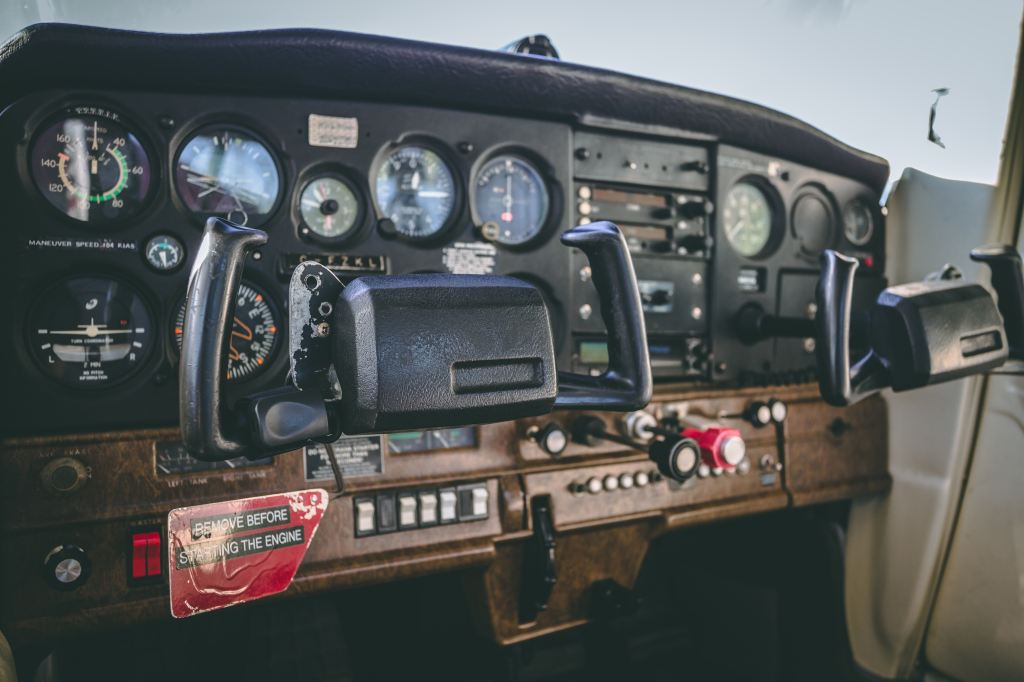
Becoming a recreational pilot is a thrilling and rewarding experience that allows you to soar above the clouds and explore the beauty of the world from a unique perspective. As a recreational pilot, you can fly small aircraft for your own enjoyment, travel to new destinations, or simply take to the skies for the pure joy of flying. In this guide, we will take you through the steps necessary to become a recreational pilot and introduce you to the requirements and regulations that you need to be aware of before embarking on this exciting journey.
Step 1: Meet the Requirements
Before you can start your journey towards becoming a recreational pilot, you need to meet some basic requirements. These include being at least 17 years old, being able to read, write, and speak English fluently, and having a valid medical certificate.
Step 2: Find a Flight School
Once you have met the requirements, the next step is to find a flight school that is right for you. Look for a reputable school with experienced instructors who have a track record of helping students become successful pilots. You can search for schools online, check with your local airport, or ask for recommendations from other pilots. The flight school will be able to discuss whether their program fits your goals and needs.
Step 3: Start Ground School
Ground school is an important part of your pilot training, and you will need to complete it before you can take your written exam. This is where you will learn the fundamentals of aviation, including aerodynamics, weather, navigation, and aircraft systems. Ground school is often self paced, but can take several months.
Step 4: Begin Flight Training
With ground school completed, it’s time to start flight training. Your instructor will teach you how to operate the aircraft and perform basic maneuvers such as takeoffs, landings, and turns. As you progress, you will learn more advanced maneuvers such as stalls, spins, and emergency procedures.
Step 5: Solo Flight
After you have completed a minimum of 15 hours of dual instruction and your instructor feels that you are ready, you will be allowed to fly solo. This is a significant milestone in your training and an unforgettable experience that you will never forget.
Step 6: Pass Your Written Exam and Flight Test
With your flight training complete, it’s time to take your written exam and flight test. The written exam covers the material you learned in ground school, while the flight test assesses your ability to fly the aircraft safely and competently. Once you pass both exams, you will receive your recreational pilot’s license.
Types of Planes You Can Fly as a Recreational Pilot
As a recreational pilot, you will be limited to flying small, single-engine aircraft with a maximum gross weight of 1800 pounds. This includes popular models such as the Cessna 172, Piper Cherokee, and Beechcraft Bonanza. However, there are many other aircraft types that you can fly, so you will have plenty of options to choose from.
In conclusion, becoming a recreational pilot is an exciting and rewarding experience that can open up a whole new world of adventure and exploration. By following the steps outlined in this guide and adhering to the necessary regulations and requirements, you can join the ranks of thousands of pilots who enjoy the freedom of the skies. So, take the first step towards your dream of flying and start your journey towards becoming a recreational pilot today!
 Flying 101
Leave a comment